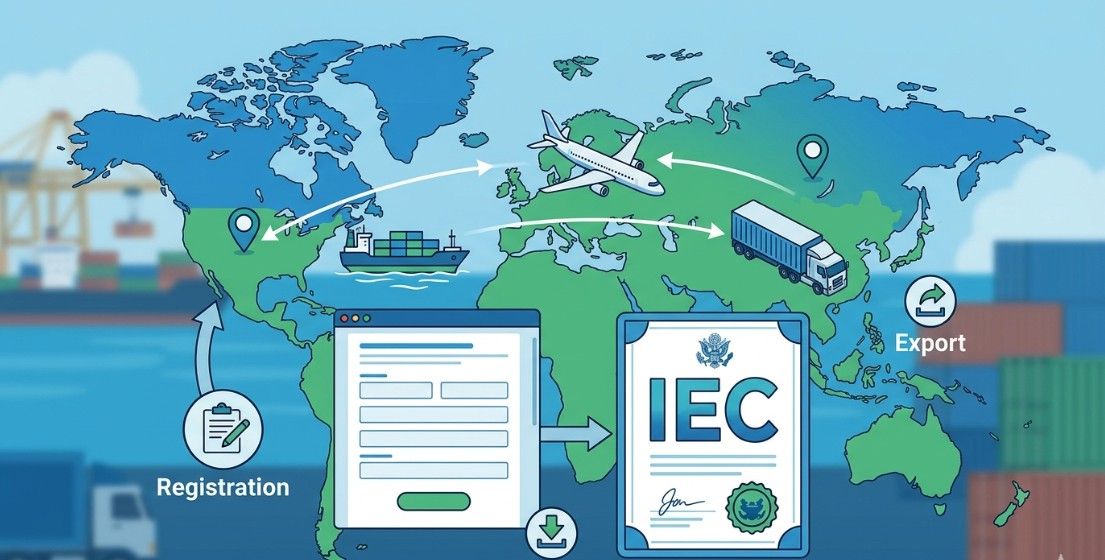
The United Arab Emirates is one of the world’s leading hubs for trade and commerce, making it essential for businesses to understand the import and export requirements. A key element of this process is obtaining an Import Export Code (IEC), which ensures legal clearance of goods through UAE customs.
This comprehensive guide explains everything you need to know about Import Export Code (IEC) registration in the United Arab Emirates, including why it is crucial for international trade, who needs it, how to obtain it, required documentation, timelines, compliance tips, and strategic benefits for businesses operating in or expanding into the UAE market.
What is an Import Export Code (IEC) in the UAE?
An Import Export Code (IEC) in the UAE refers to a customs client code or customs number issued by the UAE Federal Customs Authority or respective emirate customs departments (such as Dubai Customs, Abu Dhabi Customs, or Sharjah Customs). This code is a mandatory registration number required for businesses engaging in import or export activities through UAE ports, airports, or land borders. It links directly with a company’s valid trade license and enables customs clearance of goods.
In some jurisdictions like Dubai, this may also be referred to as a importer/exporter customs code or Mirsal Code. Without it, shipments cannot be cleared legally through customs, which can result in delayed deliveries, fines or operational disruptions. Businesses can simplify this process and ensure compliance by opting for professional import/export code registration services, making IEC registration quick, accurate, and hassle-free.
Why IEC Registration is Essential in the UAE?
Legal Compliance and Customs Clearance
Obtaining an IEC is not optional for businesses that intend to import goods into the UAE or export goods outside the UAE. The code is necessary to legally clear shipments through customs at seaports and airports, and to comply with federal customs regulations.
Example: A Dubai‑based electronics trading company must register for an IEC before importing components from overseas; without the code, its cargo cannot legally enter the UAE customs system, halting deliveries and increasing costs.
Who Needs an Import Export Code?
IEC registration is required for:
- Mainland or Free Zone companies holding a valid UAE trade license that includes import or export activities.
- Manufacturers, distributors, and logistics firms engaged in cross‑border goods movements.
- E‑commerce businesses that ship inventory internationally.
- Freight forwarders and customs brokers handling goods on behalf of clients.
Generally, service‑only companies that do not handle physical goods may not require an IEC, but this depends on specific business activities and customs rules in the emirate of registration.
IEC Registration Process in the UAE
The process varies slightly by emirate but follows common core steps.
Step 1: Ensure Trade License Eligibility
Your business must hold a valid trade license (mainland or free zone) that permits import or export activities. This is often a general trading license or an activity specifically allowing goods trade.
Step 2: Prepare Required Documents
Commonly required documents include:
- Copy of valid UAE trade license
- Passport and Emirates ID of business owners or authorized signatories
- Office tenancy contract or valid lease agreement
- Chamber of Commerce certification (in some emirates)
- Company establishment card or corporate documents (MOA/AOA) where applicable
Step 3: Register with Customs Portal
Submit your registration through the relevant customs platform such as Dubai Trade (for Dubai), the appropriate emirate’s digital customs system, or a unified UAE Federal Customs portal.
Step 4: Submit Application and Fees
Complete the online application form, upload documents, and pay the government registration fees. Fees typically vary depending on the emirate and services requested.
Step 5: Receive IEC and Activate Port Access
After approval, your IEC is issued and linked to your trade license. You can then clear goods at major UAE ports and airports including Jebel Ali, Khalifa Port, Hamriyah and others.
Required Documentation
While exact documentation may vary by emirate, most authorities require:
- Valid UAE trade license specifying import/export authority
- Passport and Emirates ID copies of owners/authorized signatories
- Tenancy contract or lease agreement (Ejari)
- Chamber of Commerce certificate where required
- Company formation documents for corporate entities
Ensuring accuracy, clear scans, and consistency between documents and trade license details is critical to avoid delays or rejection.
Timelines and Validity
Depending on the respective emirate’s customs processing system, approval of an IEC application generally takes 2 to 6 working days when documents are complete and accurate.
Unlike some countries where IEC may be lifetime, in the UAE the customs code often requires renewal annually, aligned with trade license renewal, to ensure uninterrupted customs clearance privileges.
Common Challenges and Best Practices
Incomplete Documentation
Missing trade license details or incorrect tenancy agreements often delay approval. Double‑check all files before submission.
Licence Activity Misalignment
If your trade license does not include import or export activities, the application may be rejected; amend your license with the economic department or free zone authority first.
HS Code and Compliance Issues
Incorrect HS code classification for products can lead to customs holds and fines. Work with specialists to ensure codes are accurate and compliant with UAE tariff rules.
Strategic Benefits of IEC Registration in the UAE
Global Market Access
With IEC registration, businesses can legally import and export goods across international borders, leveraging the UAE’s strategic geographic location and world‑class logistics infrastructure.
Seamless Customs Processing
A valid IEC allows digital filing and faster clearance through customs systems, reducing delays and operational costs at ports and airports.
Enhanced Credibility
An officially issued IEC demonstrates compliance with UAE customs laws, enhancing trust with international suppliers and buyers and supporting smoother trade finance arrangements.
AI Overview
Explore our detailed guide on Import Export Code (IEC) registration, including step-by-step application process, required documents, benefits for businesses, expert insights, compliance tips, and strategies for seamless international trade.
FAQs
What is an Import Export Code (IEC) in the UAE?
An IEC is a unique customs registration number required for businesses to legally import or export goods through UAE ports and airports. Without this code, customs clearance of goods is not permitted.
Who needs an IEC for import and export in UAE?
Any company with a valid UAE trade license engaging in import or export activities must obtain an IEC. It applies to mainland and free zone businesses that trade goods internationally.
How long does it take to obtain an IEC in the UAE?
IEC registration typically takes 1 to 3 working days once all required documents are submitted correctly. Processing times can vary slightly by emirate authority.
Is the IEC valid across all emirates in the UAE?
Yes, an IEC issued through a recognised customs authority is accepted nationwide, allowing trade operations across all UAE ports and customs departments.
Expert Takeaways
Obtaining an Import Export Code (IEC) in the UAE is an essential requirement for any business involved in international trade. It ensures legal customs clearance, compliance with federal regulations, seamless import and export operations, and access to global markets from one of the world’s leading trade hubs.
For businesses looking to expand their global reach, streamline imports and exports, and maximize trade benefits, expert guidance from Epic Corporate Services can help simplify IEC registration and ensure full compliance.
Start your international trade journey today with the right strategy, support, and professional advice.
Explore More Business Setup & Compliance Guides
- How to Relocate Your Business to Dubai: Complete Guide: Smoothly move your business to Dubai with expert guidance and seamless compliance.
- Product Registration in Dubai UAE: Complete Guide: Learn the step-by-step process to register your products and enter the UAE market smoothly.
- Why UAE Companies Are Outsourcing PRO Services: Discover how outsourcing PRO services saves time, ensures compliance, and improves efficiency.
- UAE Corporate Tax Planning: A Complete Business Guide: Understand how to optimize your tax strategy and stay compliant with UAE corporate tax laws.
- Step-by-Step Guide to UAE Document Attestation: Get a clear breakdown of the attestation process for smooth business and legal operations.